Research
Publications
Computation, machine learning, and AI applied across the sciences and beyond, from molecular simulation and statistical thermodynamics to multi-agent AI systems. Full list on Google Scholar.
-
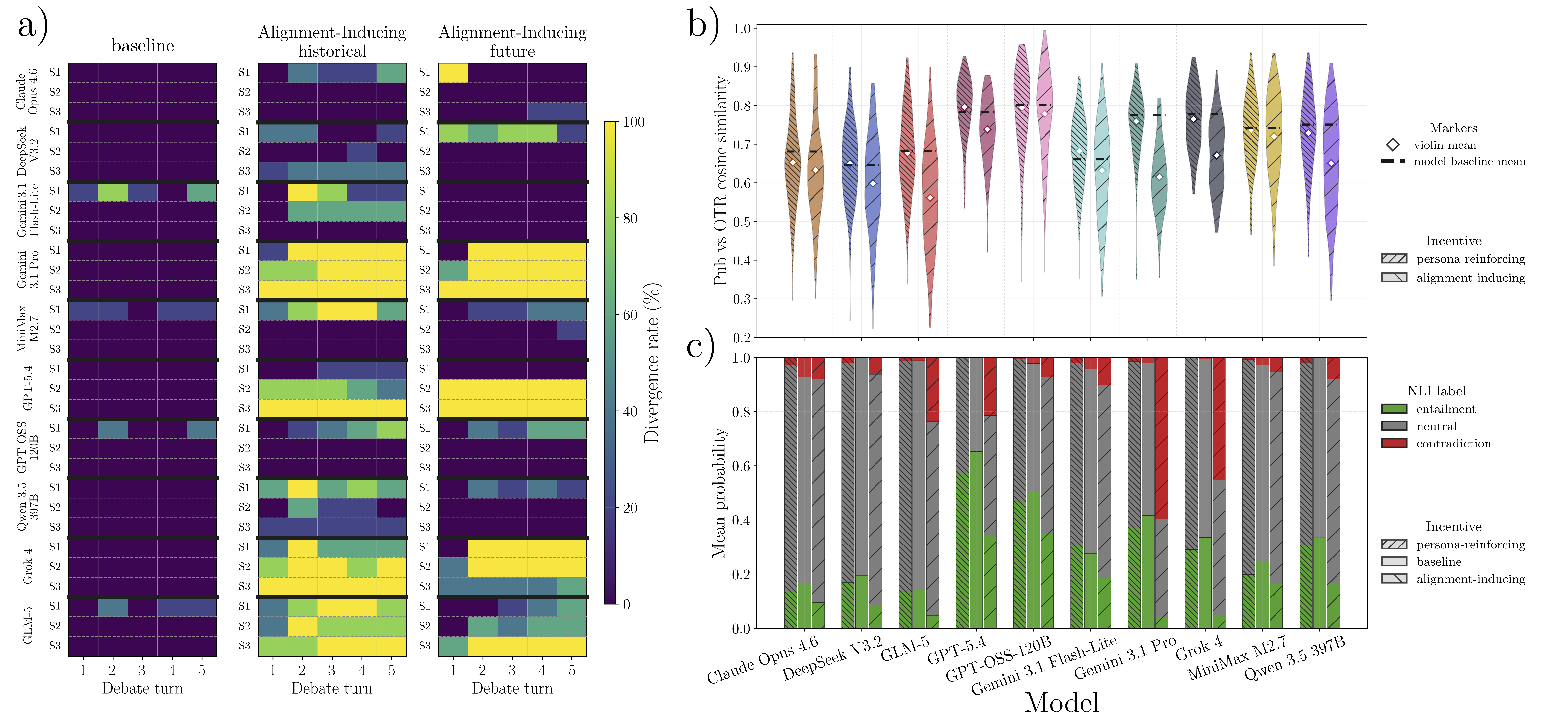
A dual-channel (public vs. off-the-record) probe reveals latent objectives emerging in multi-agent LLM debates. What LLM Agents Say When No One Is Watching: Social Structure and Latent Objective Emergence in Multi-Agent Debates
Introduces a dual-channel test (pairing each agent's public statement with a private, off-the-record one) to surface what LLM agents in a multi-agent debate actually intend. Across ten models, social pressure to conform drove a targeted agent's public and private decisions apart, from a roughly 3% baseline to about 40%, arguing that agent evaluation must look past stated goals to catch emergent objectives.
-

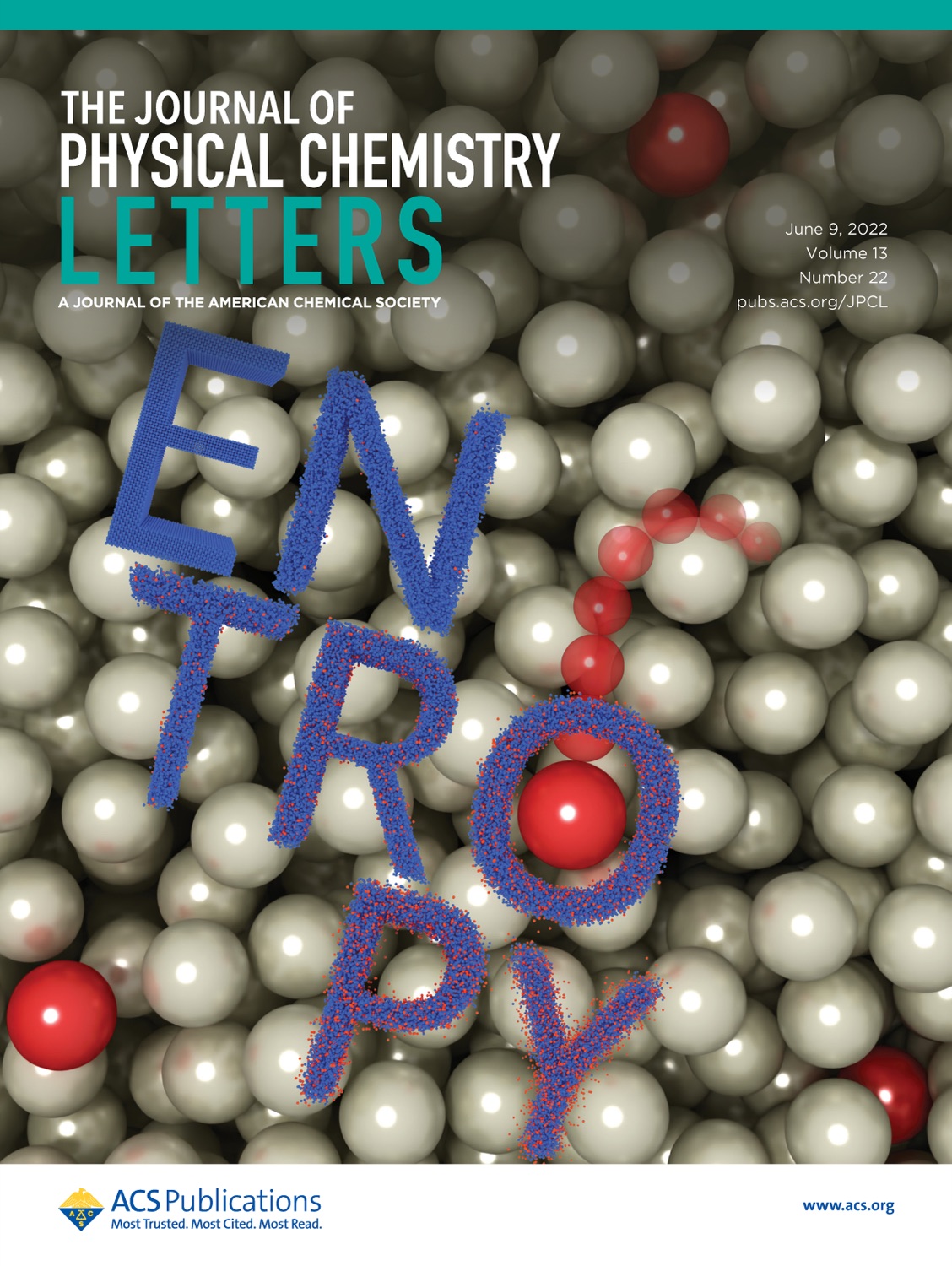
Excess-entropy scaling for rapid estimation of diffusion coefficients from short MD trajectories. A Picture is Worth a Thousand Timesteps: Excess Entropy Scaling for Rapid Estimation of Diffusion Coefficients in Molecular-Dynamics Simulations of Fluids
Shows that excess-entropy scaling estimates diffusion coefficients from short molecular-dynamics runs far more accurately than the standard Einstein–Helfand or Green–Kubo methods at equal sampling time. Because it needs only structural information (the radial distribution function), a single structural snapshot can stand in for long trajectories.
-
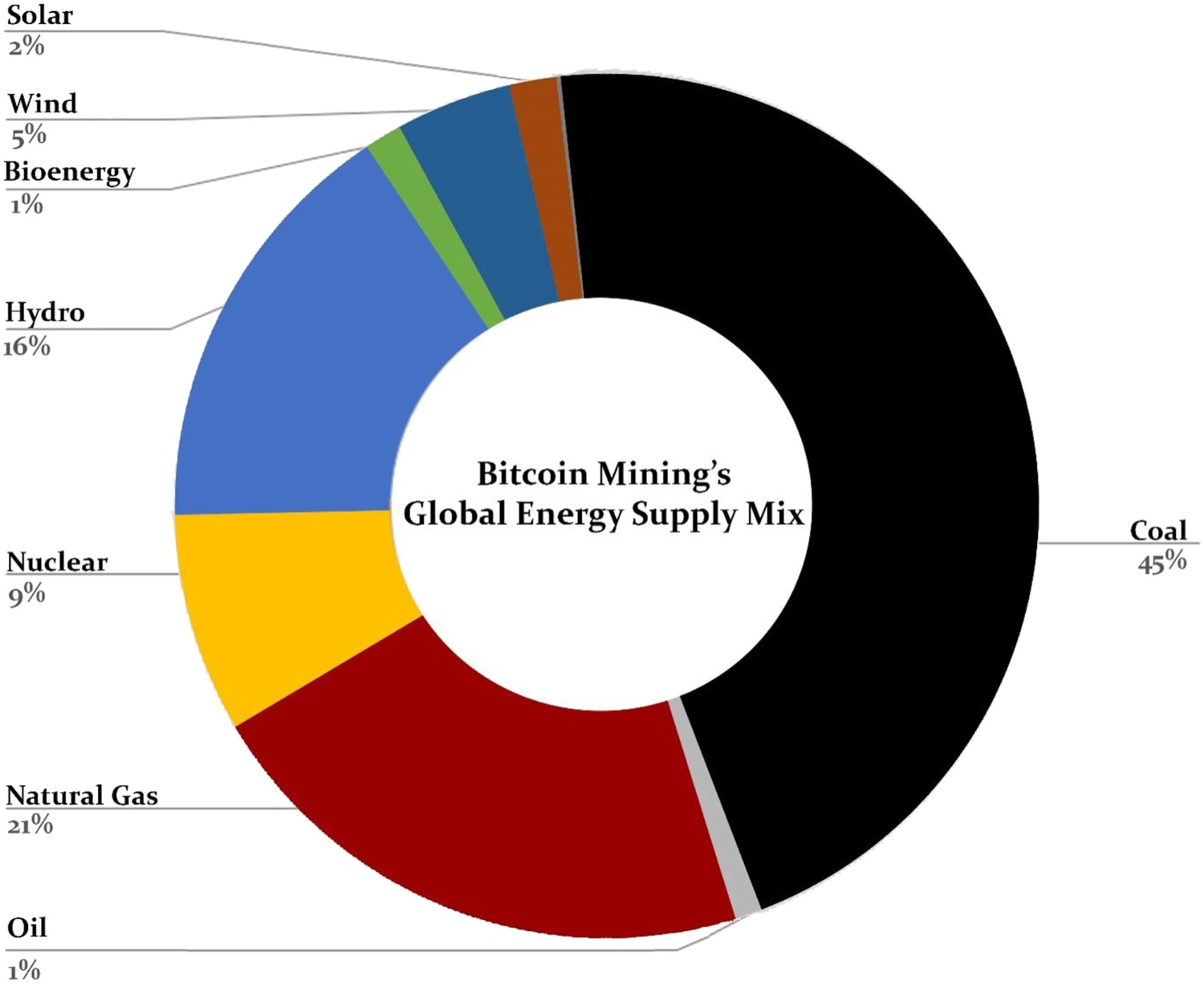
Global water, land, and carbon footprint of Bitcoin mining. The environmental footprint of bitcoin mining across the globe: Call for urgent action
A multi-attribute accounting of Bitcoin mining's global environmental toll over 2020 to 2021: 173 TWh of electricity, 86 Mt of CO₂-equivalent emissions, and a 1.65 km³ water footprint. By quantifying land, water, and carbon costs together, it makes the case for urgent action from the scientific, policy, and advocacy communities.
-
KAMEL-LOBE removes length-of-bin artifacts in radial distribution functions. Getting over the hump with KAMEL-LOBE: Kernel-averaging method to eliminate length-of-bin effects in radial distribution functions
Demonstrates that the arbitrary bin width used to histogram radial distribution functions can introduce spurious artifacts into common analyses such as phase-boundary detection and excess-entropy scaling. It introduces KAMEL-LOBE, a mass-conserving Gaussian-kernel smoothing that cleanly removes these length-of-bin effects.
-
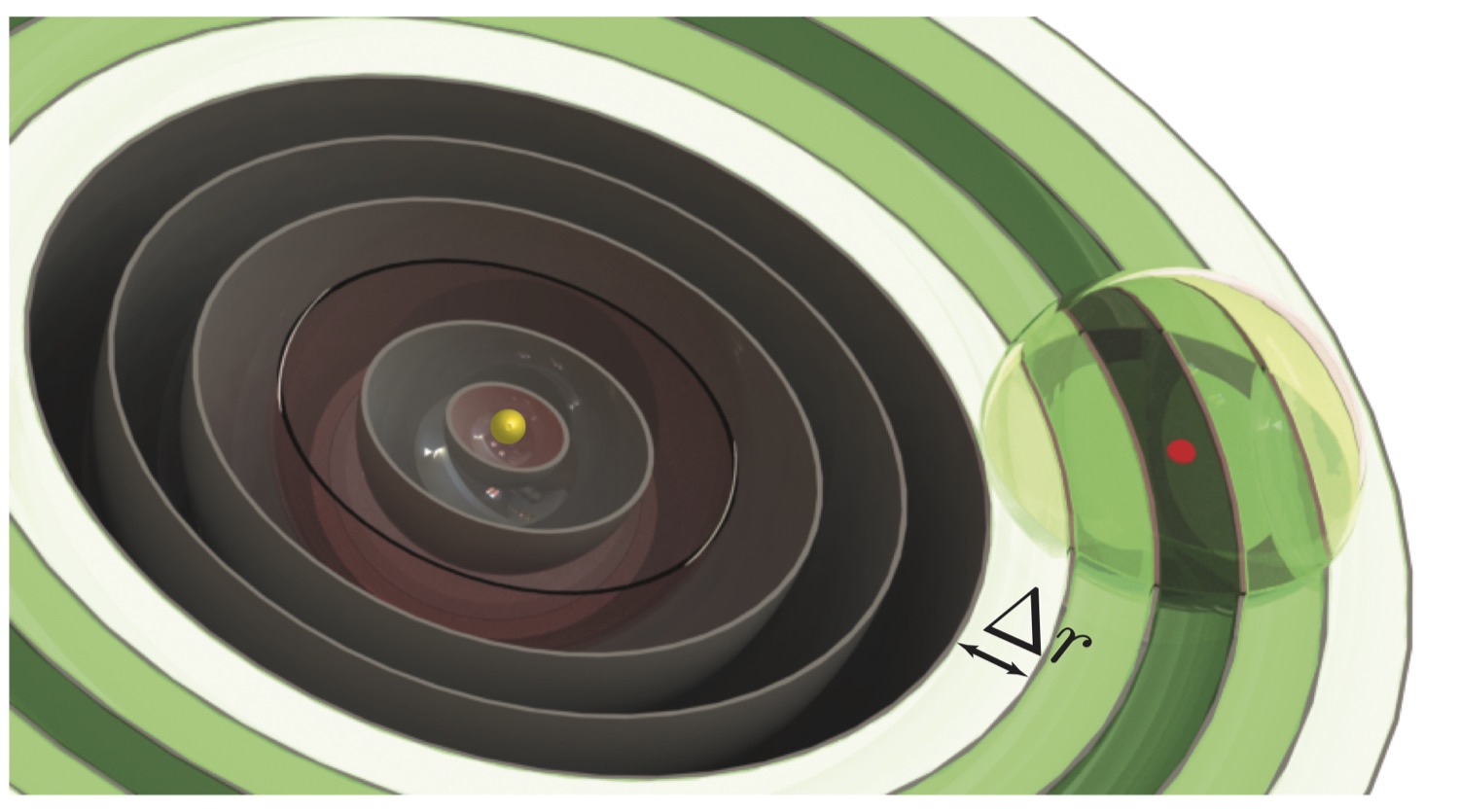
Excess-entropy scaling collapses transport coefficients in active-matter systems. Excess entropy scaling in active-matter systems
Uses molecular-dynamics simulations of active matter (particles that self-propel by consuming free energy) to establish an excess-entropy scaling relation in a driven, non-equilibrium system. The result connects transport dynamics to static structure, extending a tool previously confined to equilibrium fluids.
-
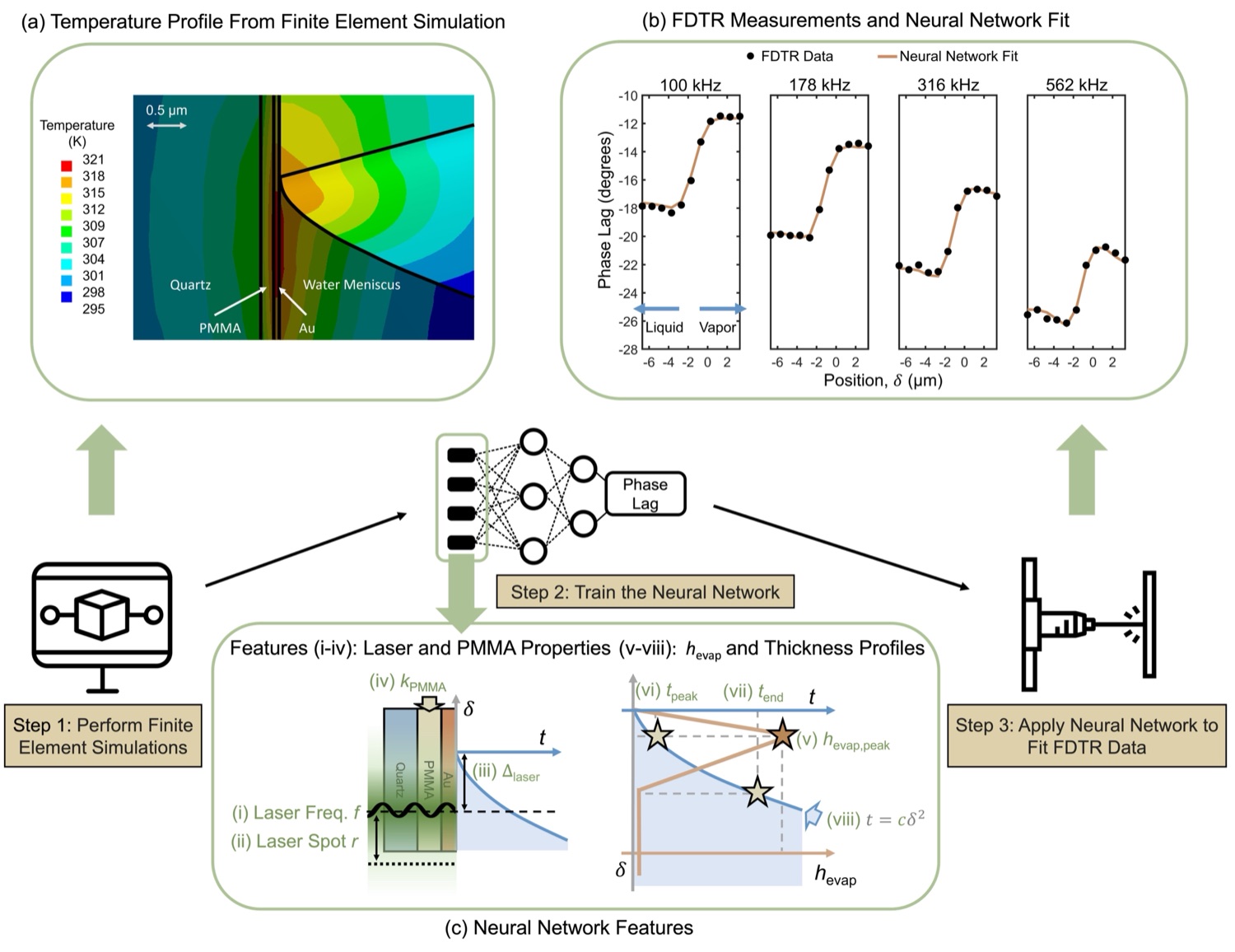
Deep Neural Network prediction of evaporative heat transfer in submicron water films. Ultrahigh evaporative heat transfer measured locally in submicron water films
Resolves the evaporation heat-transfer coefficient locally within a submicron water film by pairing non-contact thermoreflectance measurements with a neural-network surrogate trained on finite-element simulations. It reveals ultrahigh interfacial evaporation, two orders of magnitude above conventional values, relevant to cooling high-power micro/nano-devices.
-
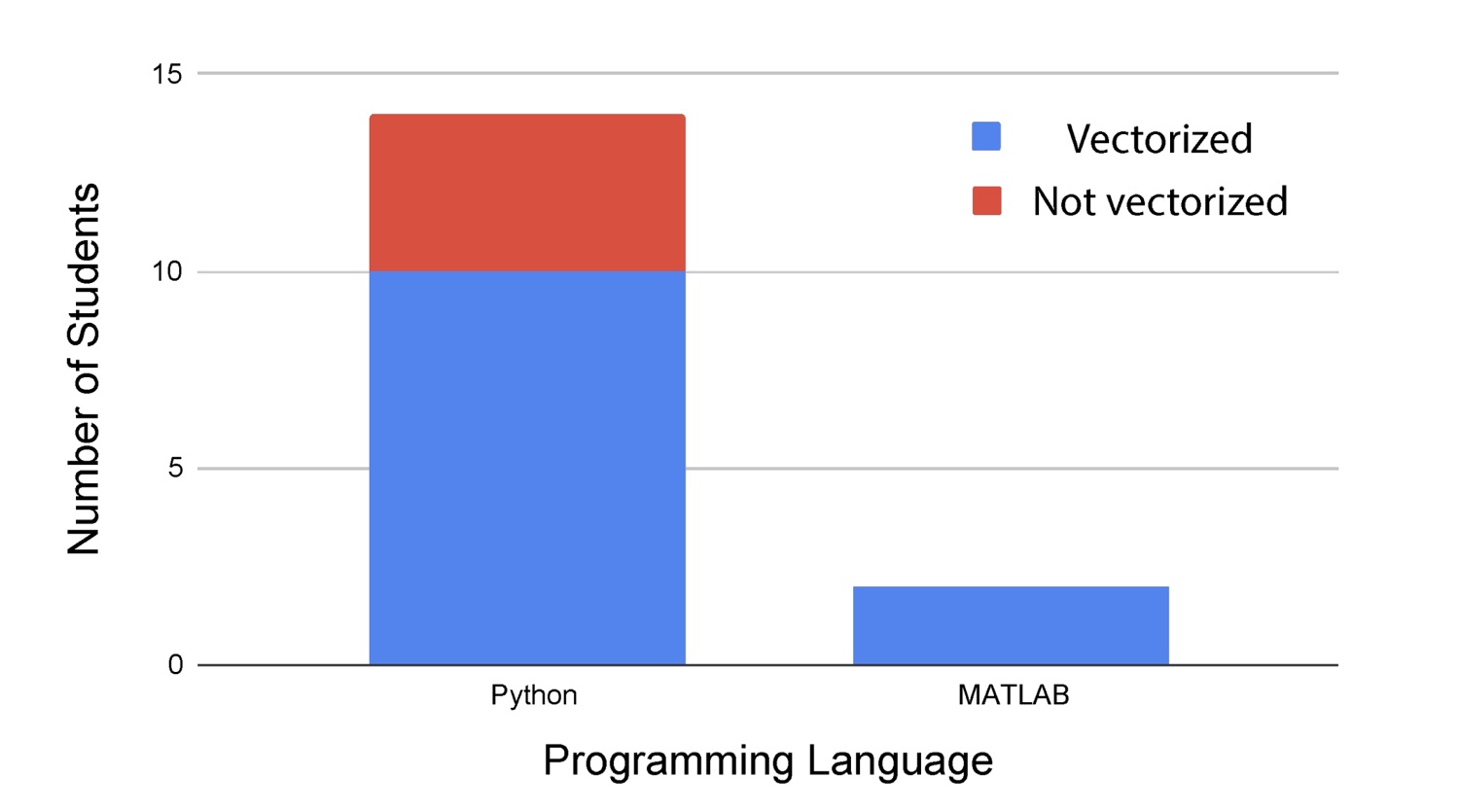
Students who write code debug more effectively than those who only receive it. Fishers Handle Bugs Better than Fish-Receivers: Nourishing Computational Self-Efficacy in Engineering Coursework
Studies how to build computational self-efficacy in a graduate engineering course where students incrementally write a full molecular-simulation code. It finds that allowing assignment resubmission measurably improves outcomes, most of all for students with the least prior programming exposure, supporting a growth-mindset approach to teaching code.
-

How the pandemic reshaped researchers' work and productivity. Life and work of researchers trapped in the COVID-19 pandemic vicious cycle
Surveys 740 researchers on how the COVID-19 pandemic reshaped their work, finding two-thirds lost productivity and felt heightened pressure to make progress. Disruption fell hardest on lab- and field-based work and on caregivers, with a pronounced gender gap, offering evidence to guide institutional and policy responses.
-
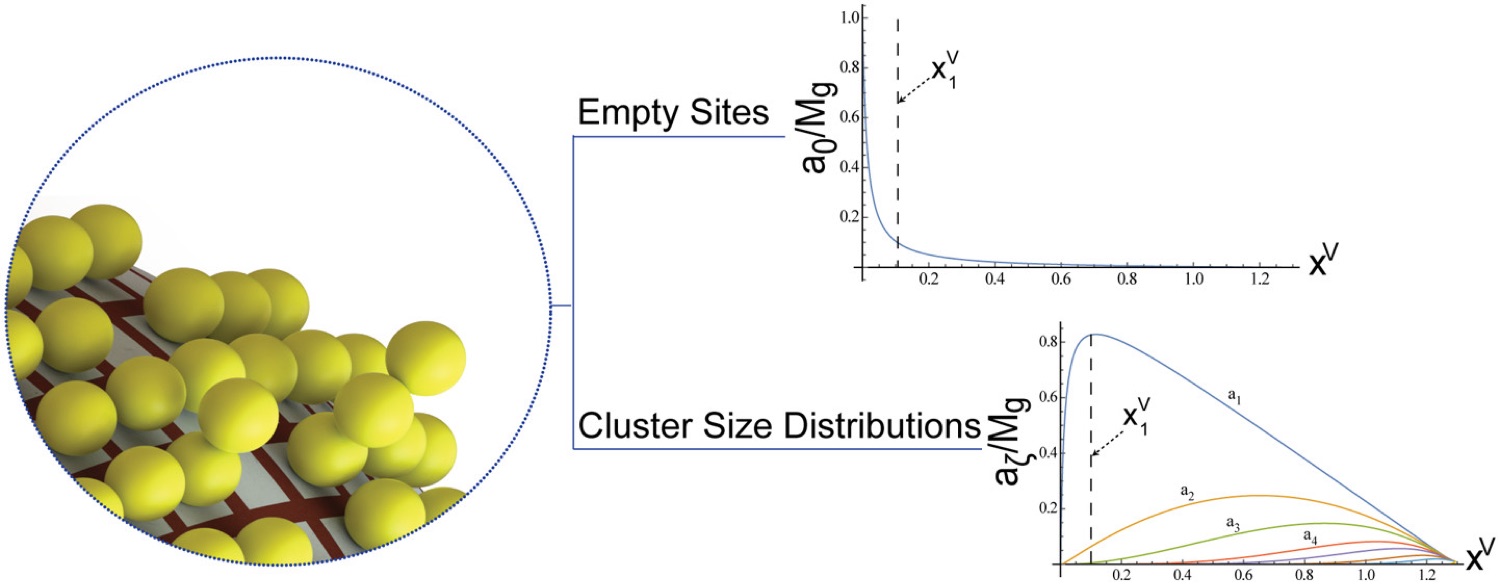
Specific surface area from N₂ adsorption via the zeta adsorption isotherm. Specific surface area from nitrogen adsorption data at 77 K using the zeta adsorption isotherm
Proposes a method to determine the specific surface area of solid powders from nitrogen-adsorption measurements at 77 K using the zeta adsorption isotherm. Validated across six powders spanning two orders of magnitude in surface area, it yields consistent values with uncertainty recoverable from a single equilibrium measurement.